
Top Stories· August 18, 2026 at 11:07 a.m.
Climate Change Exacerbates Pesticide Risks for Farmworkers
Key takeaways
- Climate change increases vulnerability of farmworkers to pesticides
- Thousands of US farmworkers suffer from acute pesticide poisoning annually
- Rising temperatures likely to expand pesticide use
- Chronic pesticide exposure linked to various health issues
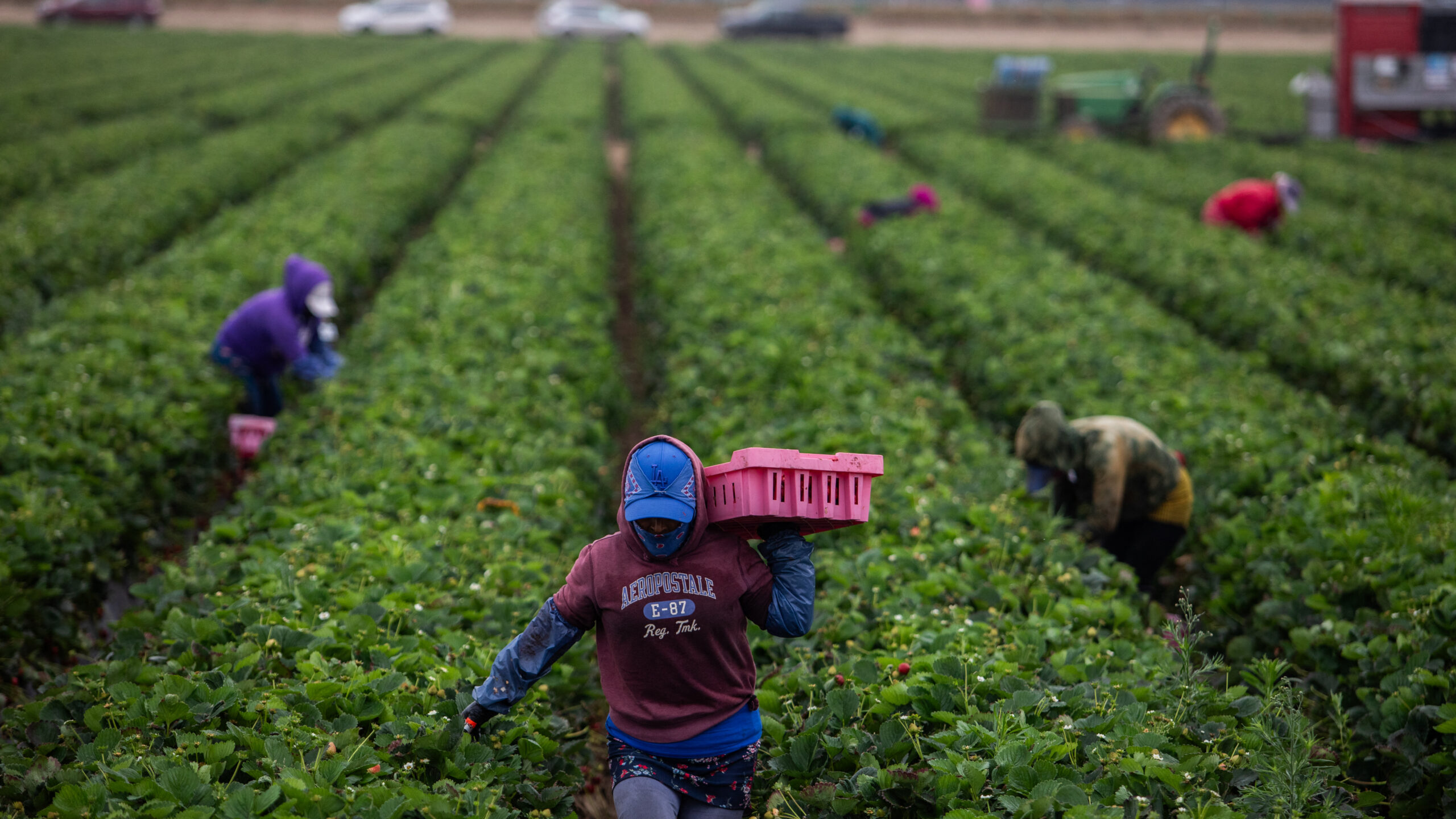
A new report by the Union for Concerned Scientists reveals that climate change is making pesticides more dangerous for the nation's 2.4 million farmworkers. As temperatures rise, heat stresses the body and increases vulnerability to pesticides and other toxicants. Hotter temperatures can also lead to higher evaporation rates, increasing exposure as more pesticides are applied to crops. Moreover, heat can boost rates of chemical transformation of pesticides into more toxic compounds.
According to the report, thousands of US farmworkers suffer annually from acute pesticide poisoning, although data is limited. Many cases go unreported due to varying state reporting practices. The problem disproportionately affects a vulnerable population, with most US farmworkers being born in other nations and people of color.
The report suggests that rising temperatures are likely to expand pesticide use as pests and pathogens enlarge their ranges and more weeds spring up in crops. Field workers who do not directly handle the chemicals account for the majority of reported poisonings, with many employers failing to post adequate warnings about fields that recently were sprayed and provide protective gear or trainings on how to use it.
Chronic pesticide exposure is associated with cancer, depression, diabetes, neurodegenerative diseases, and reproductive issues. To combat this, the Occupational Safety and Health Administration (OSHA) proposed a new standard in 2024 that would more clearly define employer obligations and require employers to evaluate and control heat hazards in their workplaces. However, progress has been slow.
California, Colorado, Maryland, Minnesota, Nevada, Oregon, and Washington have implemented state-level heat protections. However, some states, including Florida and Texas, have prohibited the protections at the local level.