
Top Stories· August 16, 2026 at 10:00 a.m.
Wildfire Smoke Reverses Air Quality Gains for Prenatal Populations
Key takeaways
- Wildfire smoke is reversing air quality gains made from reducing emissions
- Low-income, rural, and Indigenous populations are disproportionately affected by wildfire smoke
- Exposure to wildfire smoke during pregnancy increases the risk of premature births or low birth weights
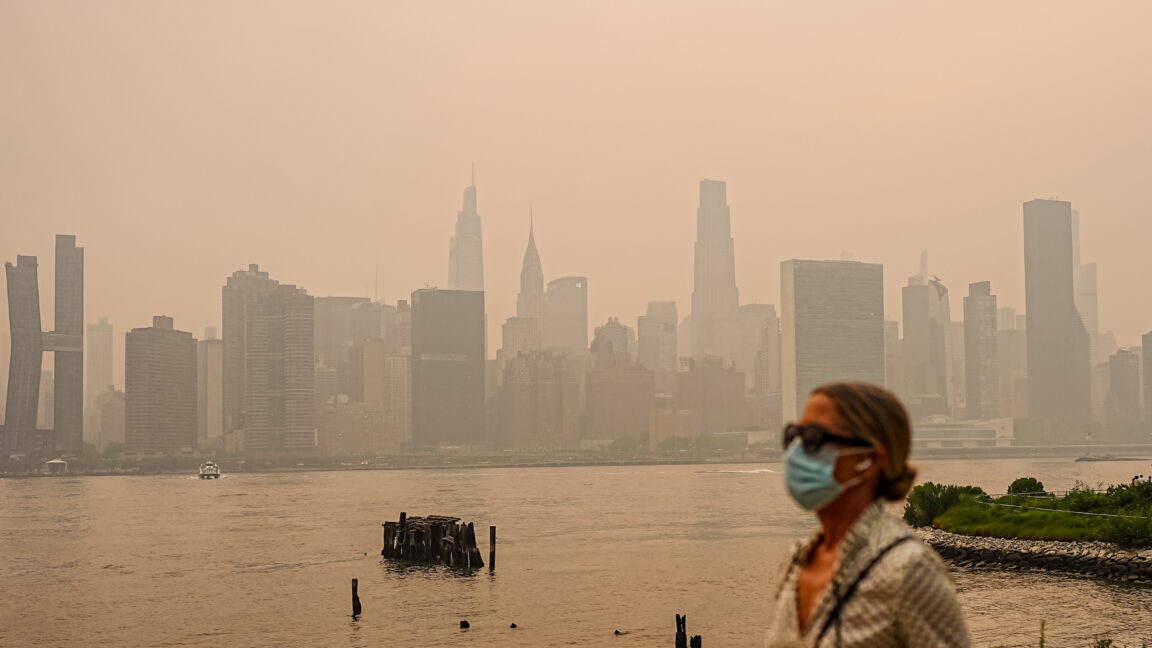
A new study published in Frontiers in Environmental Health has found that wildfire smoke is systematically offsetting prenatal air quality gains made from reducing emissions from vehicles, refineries, factories, and other human sources. The research, conducted by the University of Maryland, College Park, reveals that increasing wildfire activity is contributing to poor air quality, particularly affecting low-income, rural, and Indigenous populations. Exposure to wildfire smoke during pregnancy significantly increases the likelihood of premature births or low birth weights, which can lead to early death or chronic respiratory conditions later in life.


